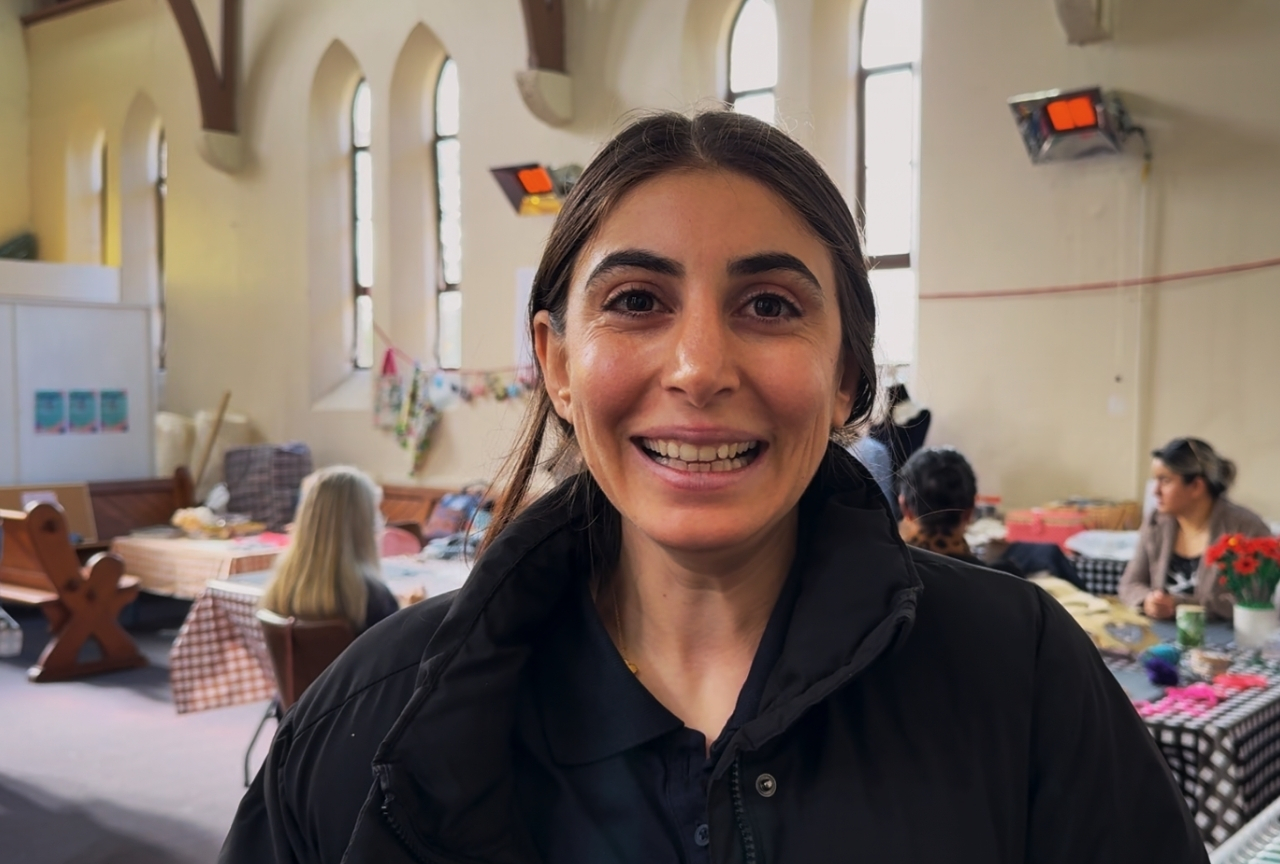
On the 3rd of August, 2014, Orien Khalaf was given one instruction: go. ISIS had arrived in Shingal. Her father, a Yazidi policeman, had been fighting to hold them back. He came running to their house. There were nine of them inside. He told them ISIS was following. They had to leave immediately. Her grandmother was too old to walk to the mountain. She told them to go without her.
They walked from nine in the morning until five in the afternoon. When they reached the mountain, they stayed. Seven days. No food. No water. Nothing. What Orien carried off that mountain is not the kind of thing you can see. It is the understanding, forged in the most unimaginable circumstances, of what it means to be truly without — and to survive anyway.
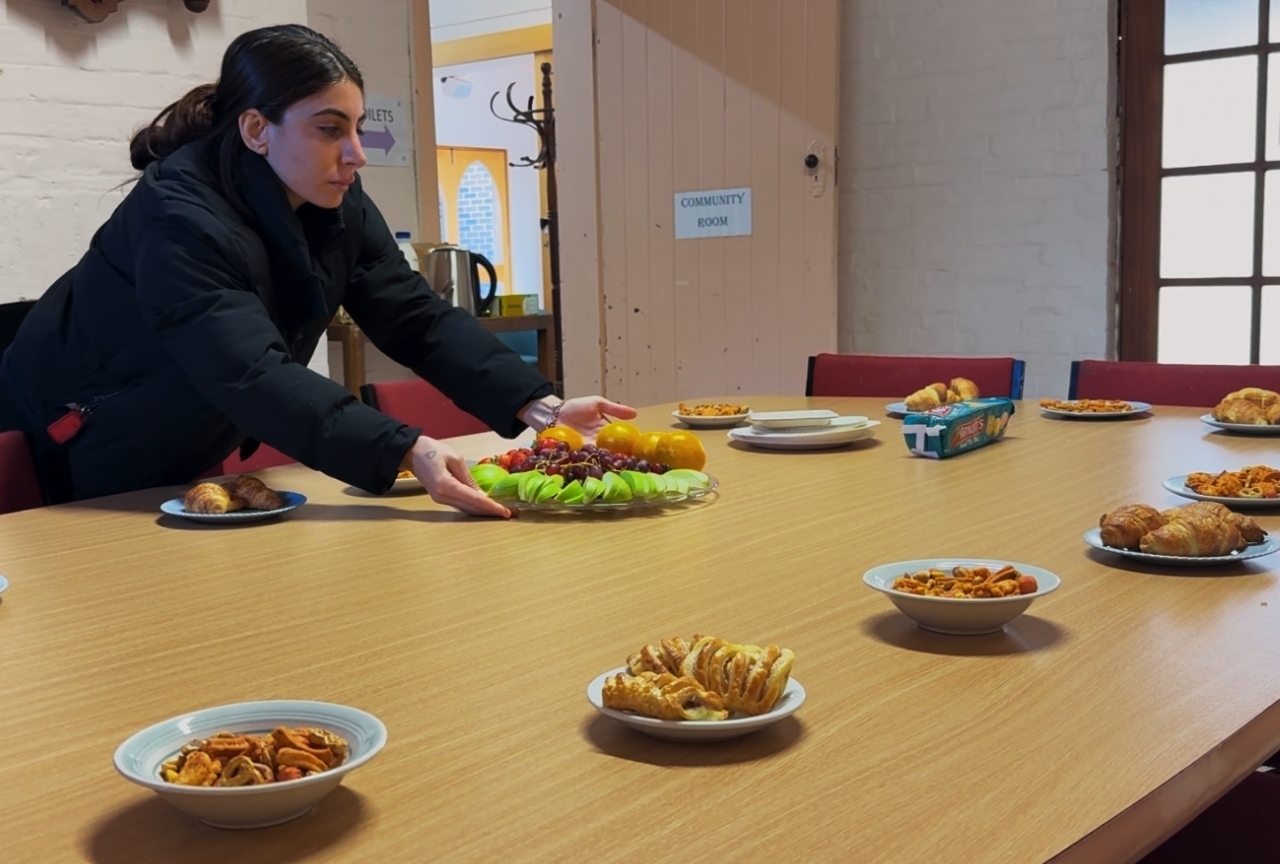
In the refugee camp, Orien Khalaf was the one who made the desserts. She had siblings, and she had the knowledge that small things matter when the larger world has been stripped away. She taught herself to make pastries from whatever was available. She was a teenager. She did it anyway. After four years in refugee camps, when Orien arrived in Australia in December 2018, she was safe.
In 2019, Orien attended a Centrelink appointment. An interpreter had been booked for her. He spoke Sorani, a Kurdish dialect different from her own. She could not understand him. Help was being offered in that room, and none of it was reaching her. That experience did not leave her. That was the moment that would shape everything she became as a support worker.
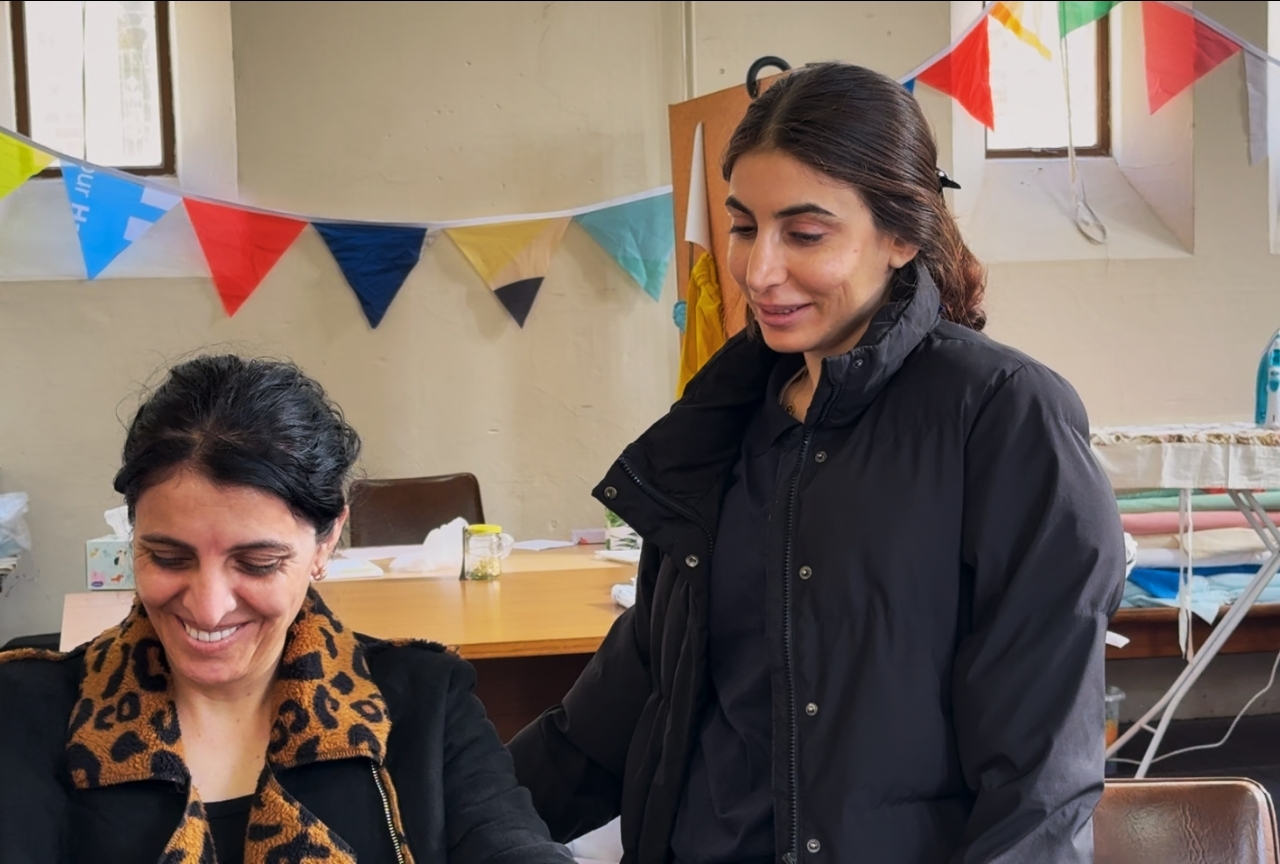
“I made sure they really understood. I made sure they knew what was happening. Because I knew how it felt to be lost in translation.”
Orien first came to Mosaic to get her travel documents translated as part of the SETS Programme, then again to seek assistance to fill out her application for her patisserie course at TAFE. The work and workers of Mosaic made a deep impact on Orien and soon she began volunteering in Mosaic's women's group, sitting alongside women from many different backgrounds who did not speak English, translating and bridging what needed to be bridged.
Mosaic recognised this. She was not a refugee who needed a service. She was someone with a deep, practical understanding of what good support looks like — and what its absence feels like too. She began as a volunteer. She grew into a role. Today, Orien works with Mosaic as a Bilingual Support Worker, supporting women aged 18 to 35 through our domestic violence programmes. She is studying Certificate III in Community Services, building toward a degree in social work.
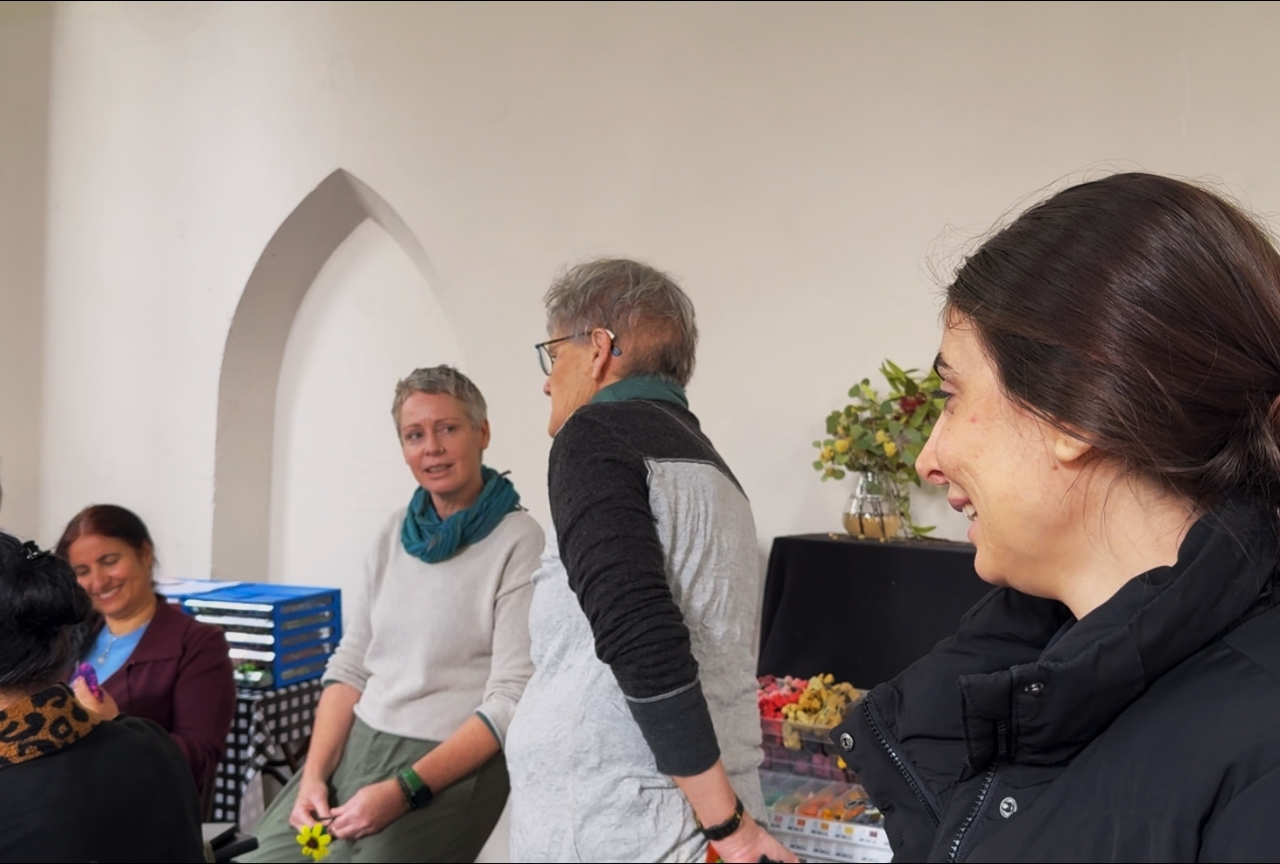
“I was proud too. Because I remember when I did my patisserie course. It was hard, English wasn't my first language, but I finished it.”
That is how Orien works. She does not point people toward what they need from a safe distance. She sits beside them, because she has walked the same road. When ISIS attacked Shingal in 2014, they came in part because Yazidi women and girls could be taken. Orien watched that happen. It shaped every professional decision she has made since.
“Mosaic didn't just help my family settle. They helped me find my purpose. They showed me that my journey — the hard parts, the language struggles, everything I went through — it wasn't just for me. It was so I could help other women find their strength too.”
She wants to say thank you to Australia for safety and freedom. And thank you to Mosaic for seeing not just who she was when she arrived, but who she could become. The pastries she makes now are not for surviving. They are for celebrating.