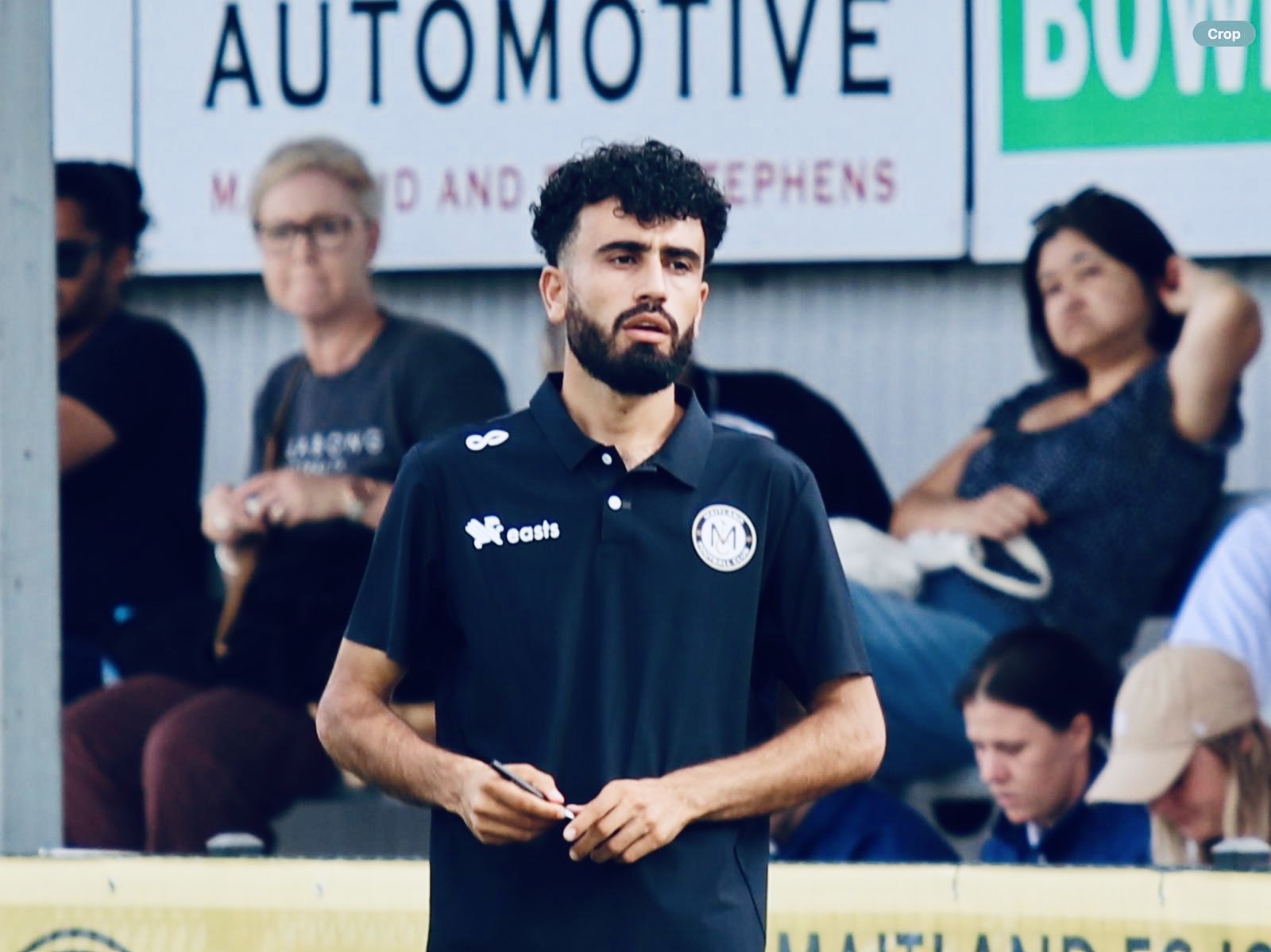
Mustafa Mohmand had spent almost his whole life around football. By the time he reached Australia, it became a distant memory. "I totally forgot football," he says. For months after arriving, he did not think about the game at all.
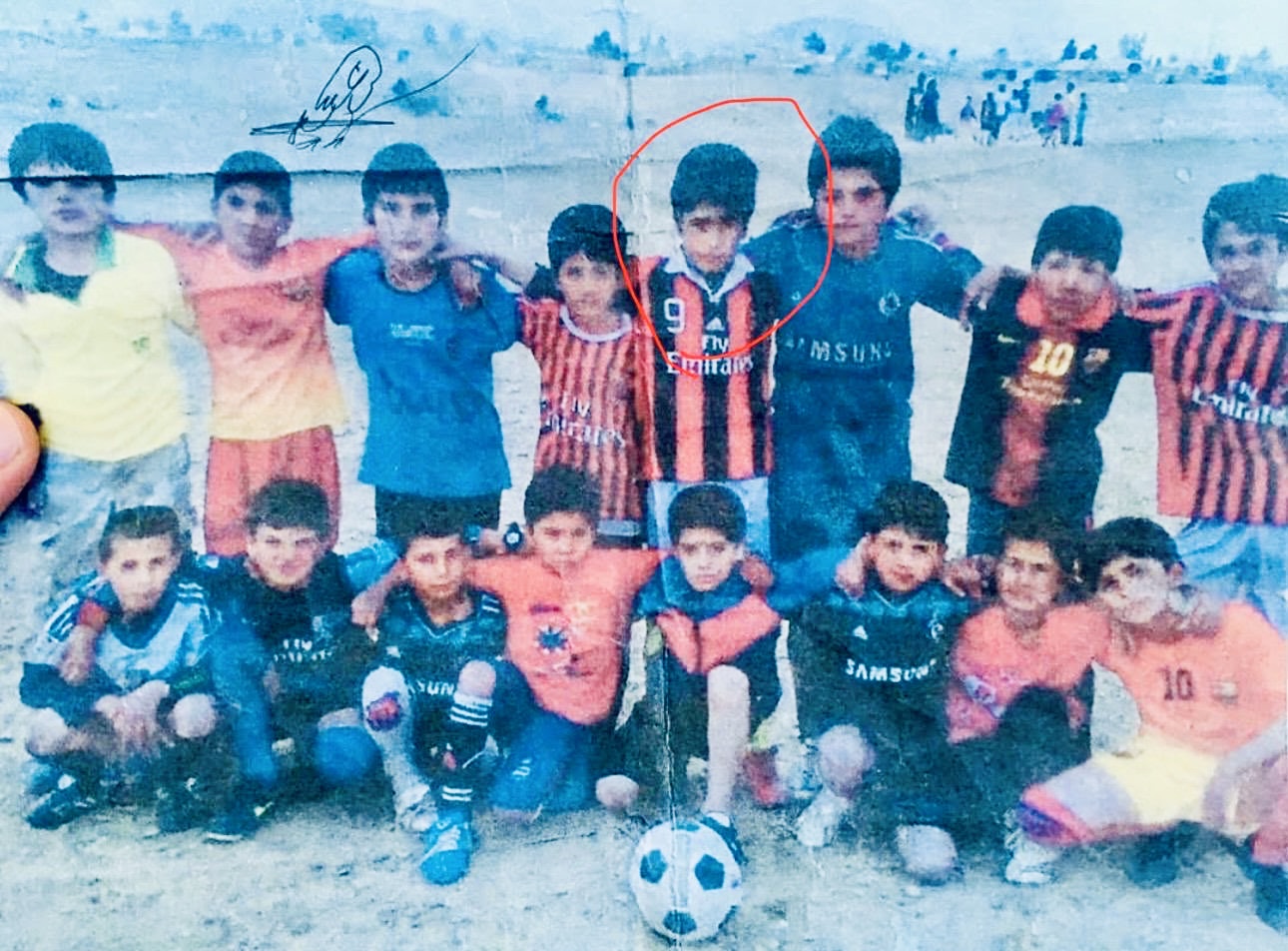
He grew up in a small garrison town in Kandahar, five or six big buildings, home to the families of men who worked for the military. There was not much there. But there was football every afternoon, on stone-covered pitches. He was seven when he first walked onto one of those grounds. He turned out to be good — playing for Kandahar's provincial side, then for Afghanistan's national youth teams, up through the age groups from the under-13s.
“If that game is finished, it never comes back. That's gone.”
His family had supported Australian Defence Force efforts back home. When the Taliban returned in 2021, staying was no longer safe, and they left. They arrived in a new country with a bag of clothes and a heart filled with hope.
“Home is a home. Home sweet home. But sometimes you have to make another decision, to leave your home, your relatives, everyone.”
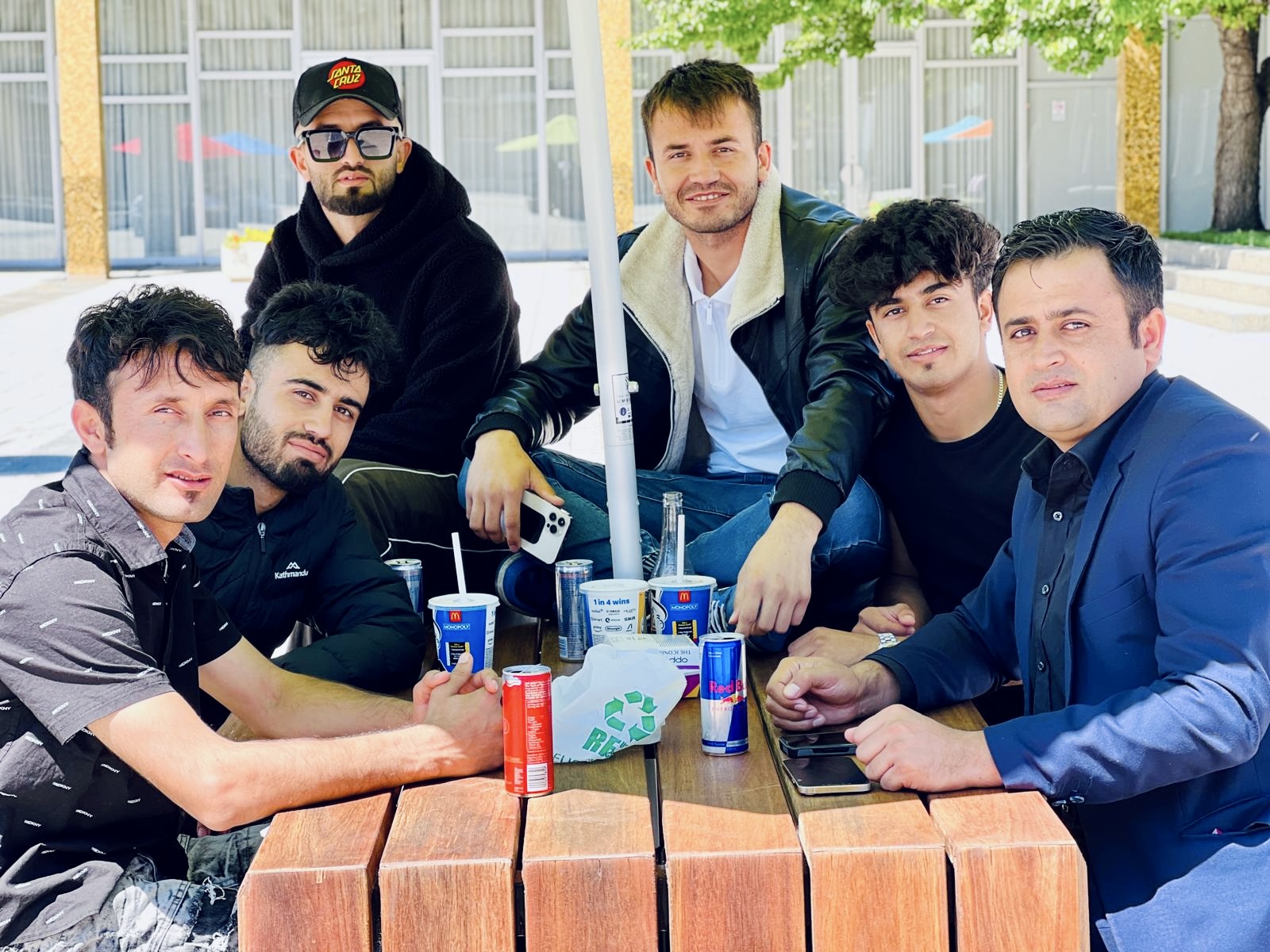
Mustafa first heard about Mosaic through his older brother, Sami, who had already settled in Australia and was working with the COMPACT program. Through COMPACT — funded by Multicultural NSW for young people who arrive the way he had — Mustafa found his way back. COMPACT did not hand him a ball. It took him on trips, to Canberra, to Armidale, around the Hunter, alongside other young Australians and Aboriginal communities. He started talking to people and understanding them. "I got really better in communication," he says.
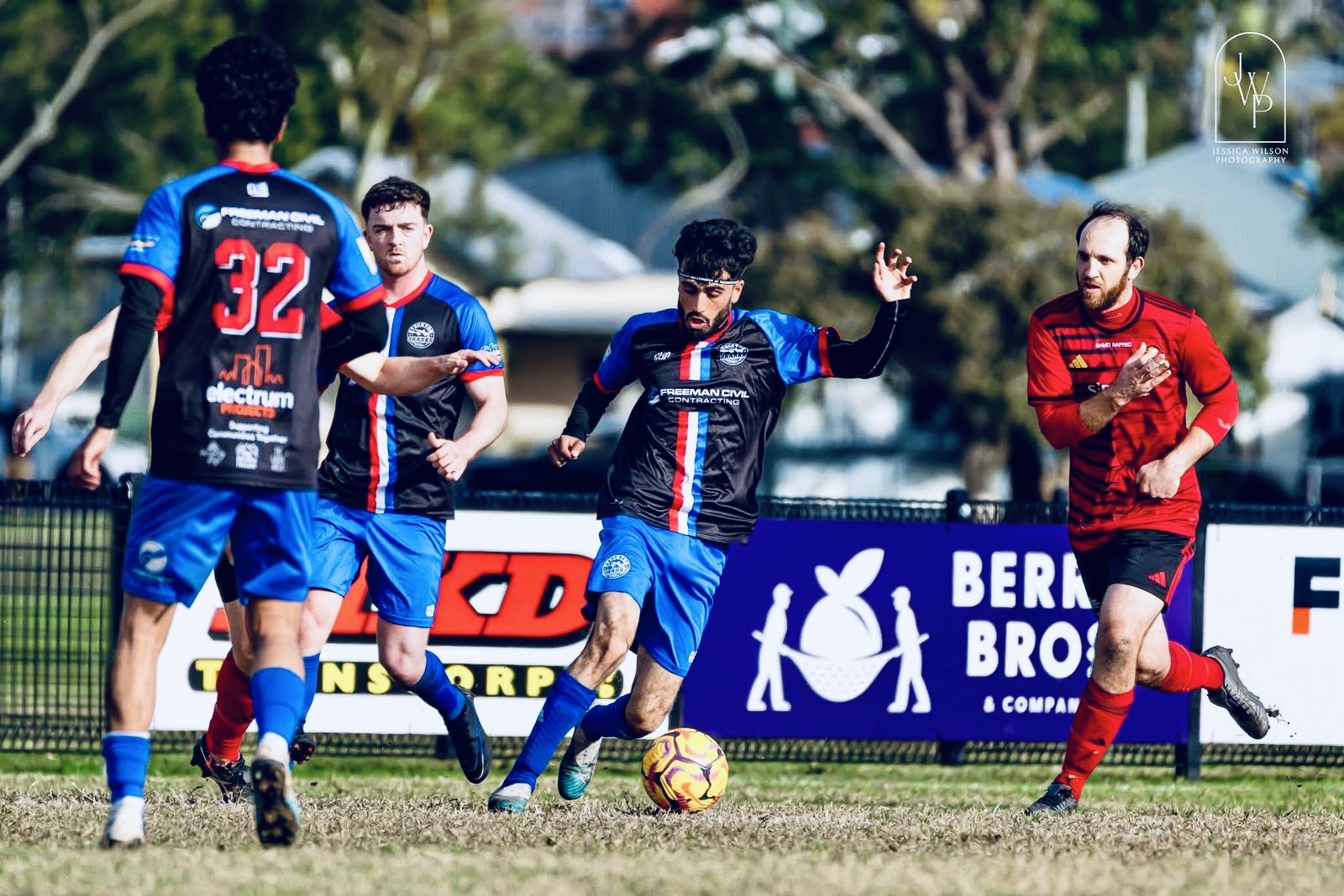
It was through COMPACT that Sami connected him to Joseph Wright, a well-known coach around Newcastle, who ran a training programme for local kids. Joe met him and asked him to help coach. He said no. Here was a man who had played for his country's youth teams and carried a coaching licence from home, and when he was asked to stand in front of a group of Australian children, he did not believe he was good enough. So he did not coach. He played. Through COMPACT he was introduced to Newcastle Olympic, and he played two full seasons. Then to Stockton Sharks, where he lined up in first grade.
And then one day he decided he was ready. He asked Maitland FC for a coaching trial, and they gave him the under-13s girls. He was good with them. Within two months the club moved him up to its senior women's side in the National Premier League, as the senior assistant coach and reserve-grade coach, where he still is.
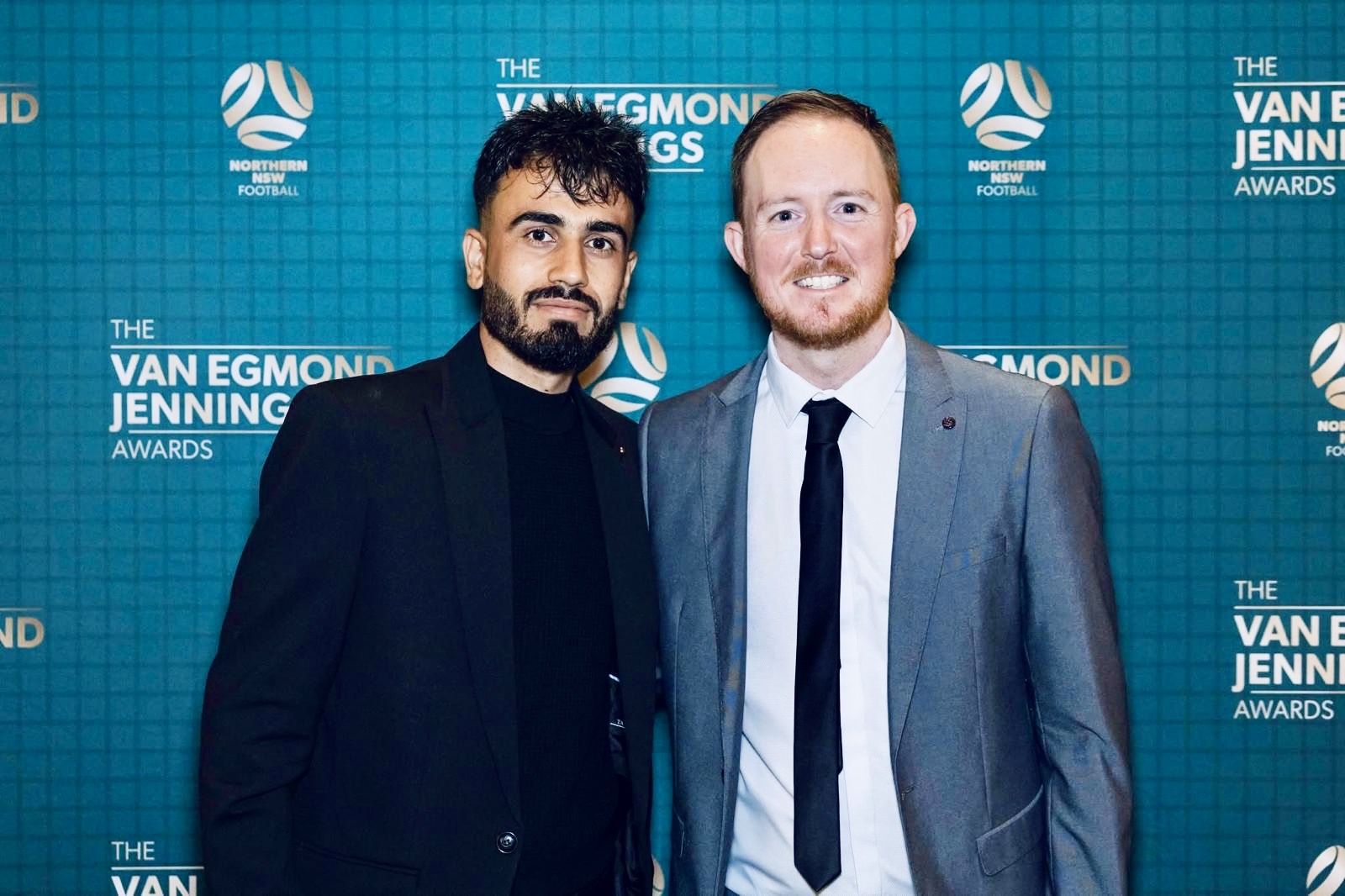
“They fought for it to the last whistle, and they got it.”
On 3 June 2025, in the New South Wales Parliament, the Member for Maitland, Jenny Aitchison, read a Community Recognition Notice into the record, thanking Mustafa for his commitment to football in the Maitland community. His club coach Joe Wright said the club was lucky to have not only someone of Mustafa's coaching calibre, but his character. Mustafa was not in the room. He learned of it by letter. Asked whether he had ever had anything like it back home, he answers twice. "Never. Never." It was never about the honour. It was about being seen.
Four years ago, Mustafa Mohmand arrived in Australia having forgotten football. Now he spends most evenings teaching it. And most nights, when he sits down to study footage of his own team and the sides they are about to face, a small person sits down beside him — Hoora his daughter, now four, watching the players move across the screen and asking him why that one ran that way.
“One day, one of my team players will be my daughter.”