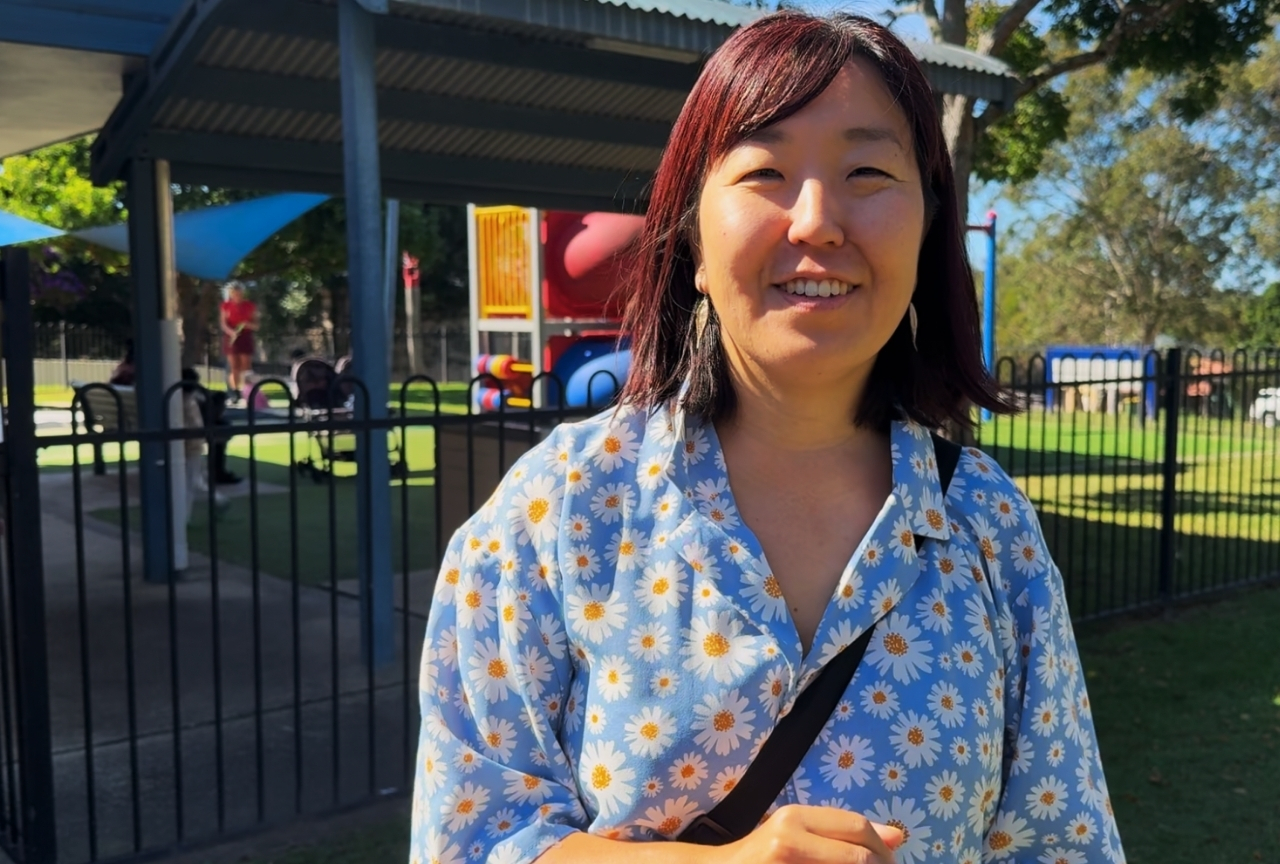
As a mother, Sumie Miyagawa made a quiet decision. Her children would know where she came from — they would know the language, the traditions, the customs and stories. They would grow up Japanese.
It would not be easy. Her husband Gennadiy is Russian. Her sons were being raised in Australia. At home, three languages competed for space, and Japanese — the language of Sumie's childhood, her family, and the island of Hokkaido where she grew up — was the one most likely to fade. She had seen it happen to other children. The language grows quieter. Then quieter still. Then one day it is gone, and with it something that cannot easily be named.
“I want them to know where I come from.”
Sumie had done this before. When her son Kaito was small, she ran a Japanese playgroup in Sydney out of a community centre that offered her the space. Japanese families were plentiful in inner-city Sydney. But when the family moved to Bateau Bay on the Central Coast, everything changed.
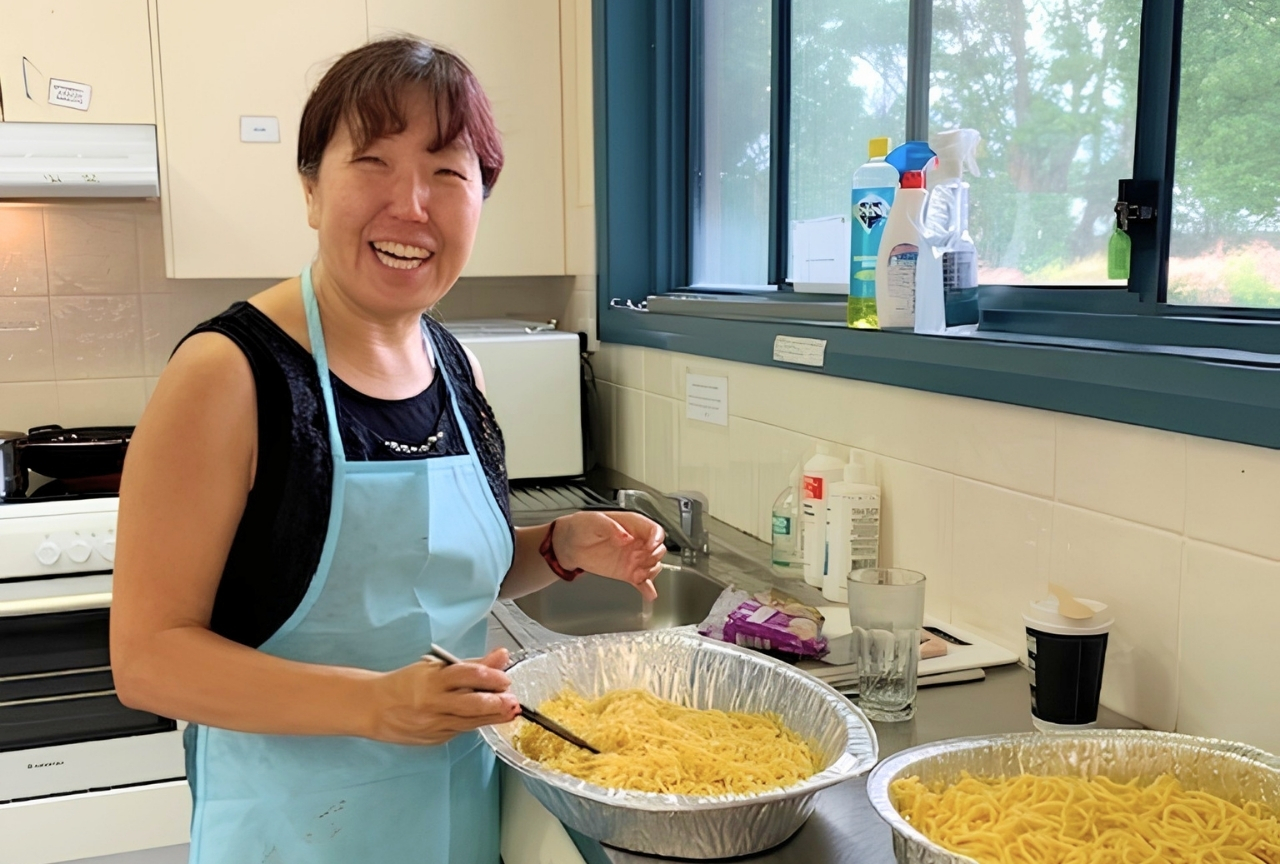
Japanese families on the Coast are scattered and hard to find, and the move happened during lockdown, which made the search harder still. When her second son Yuto was born in September 2023, Sumie had a new baby, a new suburb, and no clear path back to the community she had built before. "I needed to get out of the house," she says. "I was looking for playgroups, to connect with people."
She found Mosaic on Facebook when Yuto was four months old. The multicultural playgroup at The Entrance was unlike anything she had encountered before — a room full of mothers from Peru, China, Brazil and backgrounds she had not expected to find in a coastal suburb. Sumie had lived in Australia for ten years and spoke English well. And yet something in that room recognised her immediately.
“Even after living here ten years, you still feel it. We all kind of feel the same. You miss your home. You miss your family.”
She kept coming. Natalia, Mosaic's Multicultural Community Development Lead on the Central Coast, watched Yuto during the swimming program so Sumie could have half an hour in the water. The English conversation circle introduced her to women and volunteers she would never have met in Bateau Bay. Playing Around the World became the foothold she had been looking for.
And then one afternoon, she said something to Natalia: "It would be nice if I could have some Japanese gathering, like a playgroup." Natalia's response surprised her — Mosaic had run a Russian playgroup before, and a Spanish one. There was space available, free to use, and resources to borrow. Natalia would support her every step of the way.
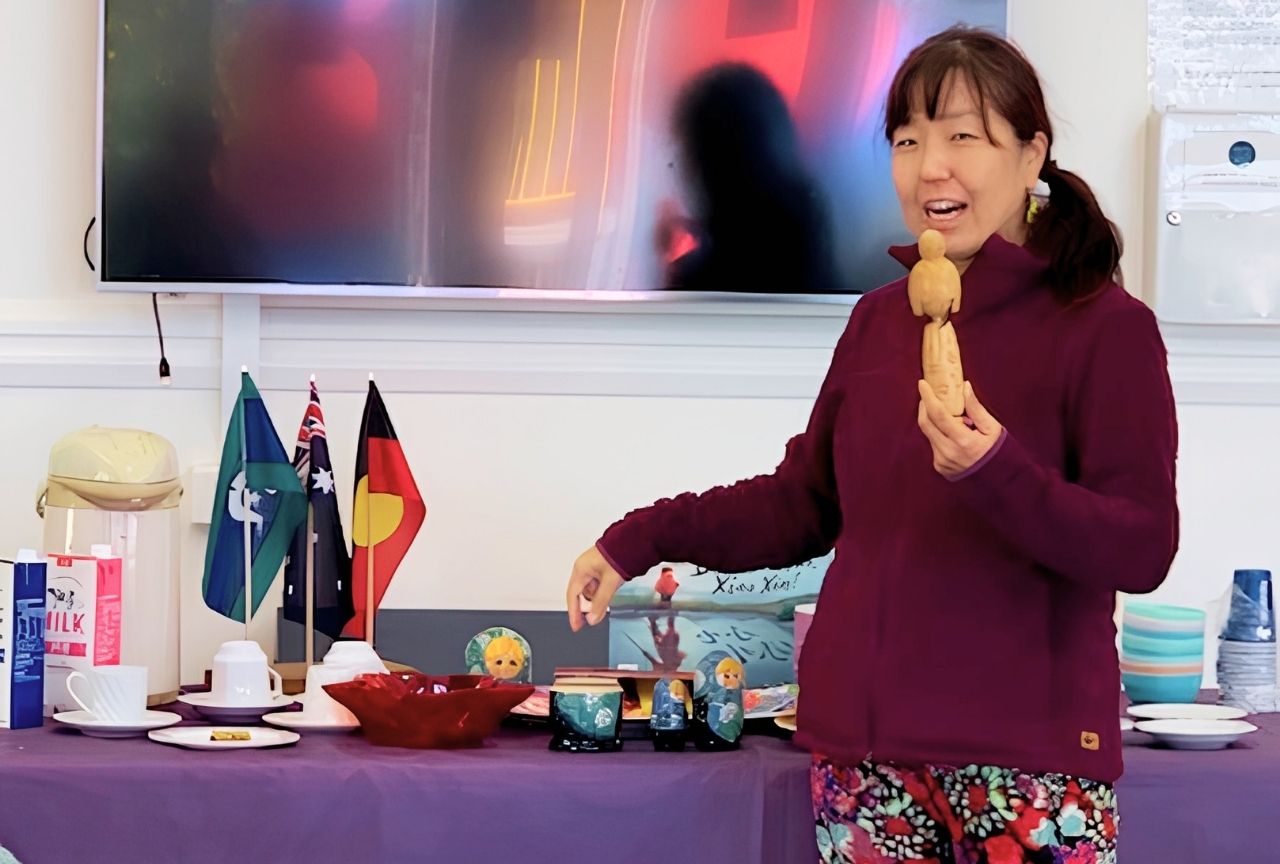
“That is amazing. Free facility and free resources. I never had that before.”
Sumie rang a Japanese friend she had brought along to the multicultural playgroup a few months earlier. Together they posted in Japanese community Facebook groups and reached out through Saturday Japanese school networks. Three women came the first week. Then five.
The Japanese Family Group now meets every Monday. For one mother, it became the first place she had been able to speak freely since arriving in Australia — she had moved from Japan having never lived overseas before, following her Australian husband to a country where nothing yet felt familiar. "She said it was really good to find this playgroup," Sumie says. "She could speak in her own language. And we became friends."
The group celebrates Japanese Children's Day with crafts, shares food, and introduces children to Japanese words, songs and traditions. "Even just two hours in Japanese, the children listen," Sumie says. "They pick it up. They start to know — this is a Japanese environment." Kaito spent two weeks at Sumie's old primary school in Hokkaido last year, reconnecting with the country his mother is from. Yuto, still not yet two, is already absorbing two languages at once.
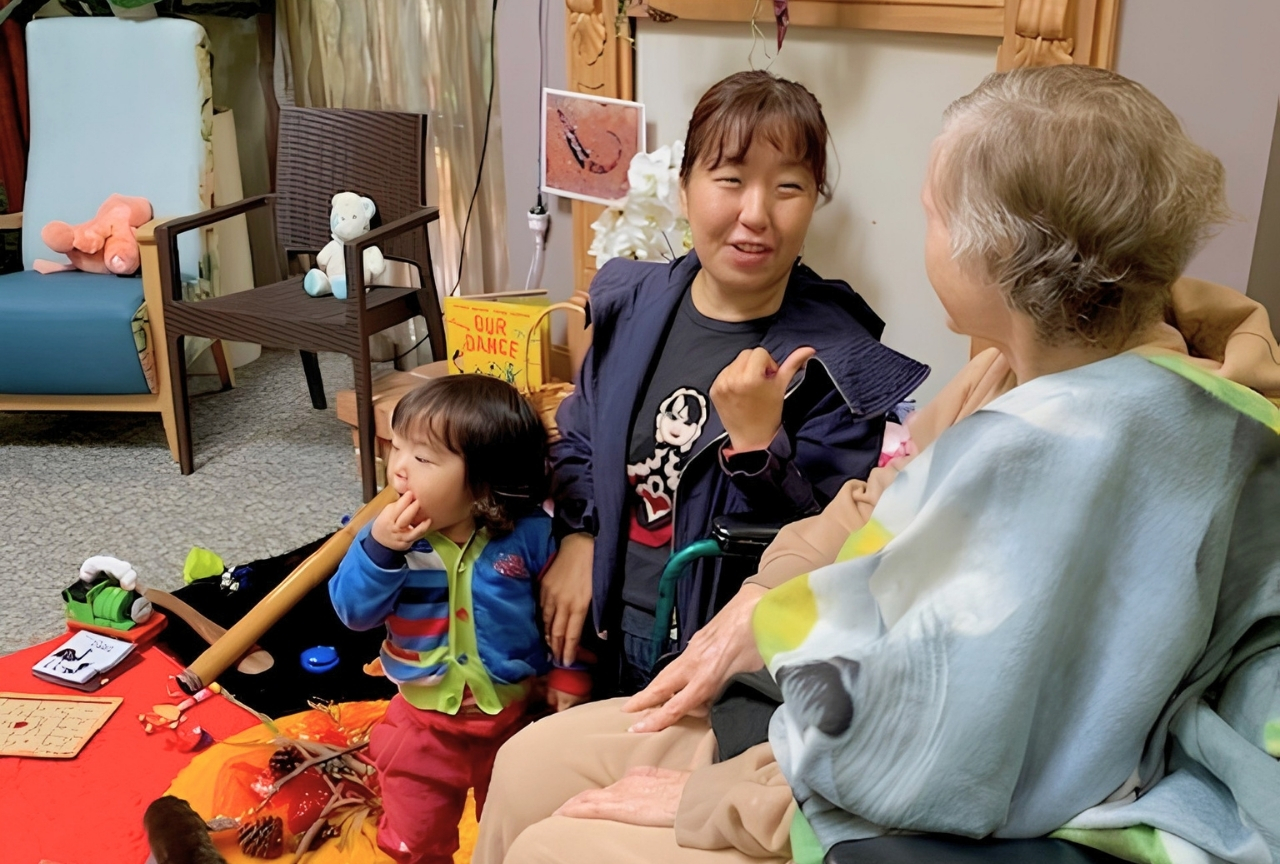
“Thanks to Mosaic, my life with my little son became so much busier and fuller. If I hadn't gone to the multicultural playgroup, I wouldn't have met the friends I have now.”
Today, nine families gather every Monday. Their children play. Japanese and English move through the room. Friendships deepen. Advice is shared. For a few hours each week, nobody has to explain where they come from.
What began as a Facebook search for a playgroup became something much larger — a place where children hear the language of their parents, where mothers find friendship in their own words, and where culture is passed quietly from one generation to the next. On 18 October 2026, Sumie and the Japanese Family Group will host a Japanese Community Day at Mardi.
“I'm really happy in my life. That's why I want to share my happiness with other people.”
Every Monday, she does. What began with one mother looking for connection has become a place where other mothers can find it too — and every Monday, another child hears the language of their parents become part of their own story.